Jon Barney is an up-and-coming writer in the Orlando, Florida area (originally from Lafayette, LA, and has a lot of big ideas about a lot of things. Jon says he has an amazing wife and two kids, and he “loves the hotel restaurant industry and corny jokes,” which makes him a man after my own heart. Jon is also in Toastmasters, and he wrote an interesting speech about getting and keeping people’s attention.
According to a 2015 Microsoft study, I will only have your attention until about. . .now. Eight measly, little seconds. Then I will have to work real hard to keep you from thinking about the errands you have to run later. Don’t feel bad for your short attention span. We are in good company, our friend the goldfish has an attention span of 9 seconds.
What is attention anyway, and why do we have to pay for it? Is it something we can control and direct or is it like the dog who sees a SQUIRREL!? Since attention is not food, why are people starved for it? I’m here to tell you today that attention is your most valuable resource and you need to control it, and protect it.
Attention is the notice of something we deem interesting or important. Have you ever sat down on the couch and got comfortable? You are about to watch Days of Our Lives or a football game; and your kids start screaming and yelling, fighting with each other? What happened? They were fine a minute ago. Your kids saw that they didn’t have your attention and they knew the fastest way to get it back.
We all need attention, we all want to feel important to someone.
When you receive attention from someone, you will receive the actions that flow from that attention, which could lead to feelings of love. That is why we hear stories of housewives, starved for attention, thrust into the arms of another man, Raul. No attention. No importance. No love.
It is why men walk around with puffed out chests, peacocking and showboating. It is why women take care in their appearance. We all act and dress in a way that draws. . . attention.
Attention isn’t only about importance and love. It is the very first step in any form of communication. For example: You’re watching the game. You’re leaned forward, hands clasped, staring at the TV. It’s the last 2 minutes and the score is tied. Then you hear, (wom wom wom wom, Charlie Brown teacher voice) and you say ok just to get it to stop. Then once the game is over, you sit down for dinner with your spouse and get, the look. “Did you take out the trash?” “NO” “Well, I asked you to do it 30 minutes ago!!” “What? I don’t remember that.” “You were watching the game and you said ok when I asked you.” We’ve all been there, once or a thousand times. Don’t deliver important messages unless you have their attention first. We need attention to feel importance and to communicate. But how do we get it?
There are many ways to get attention, some positive and some negative. We must first know how attention works. Your body, every part of it, eyes, nose, mouth, ears and skin is gathering information, receiving signals. Then sending them to your brain for processing into two categories: important and unimportant. To illustrate my point, let’s go for a walk in the woods. We are walking and we see a tree. “Ehhh, not important, keep going.” Then as we get closer to that tree we look down and see a massive, coiled rattlesnake, ready to strike. “OMG, I’M GONNA DIE. IMPORTANT!!” Our basic sorting system is for survival and reproduction, those two processes guide most of our attention.
How could we use the ears to get attention? Have you ever boarded your flight, sat down, book out, ready to relax and then…you hear a baby start crying? “Really?” You can’t focus on anything else. Our human brains are hardwired to divert our attention to the crying infant. We have to stop it from crying. Diaper change, bottle, attention, whatever it takes. What a survival mechanism!
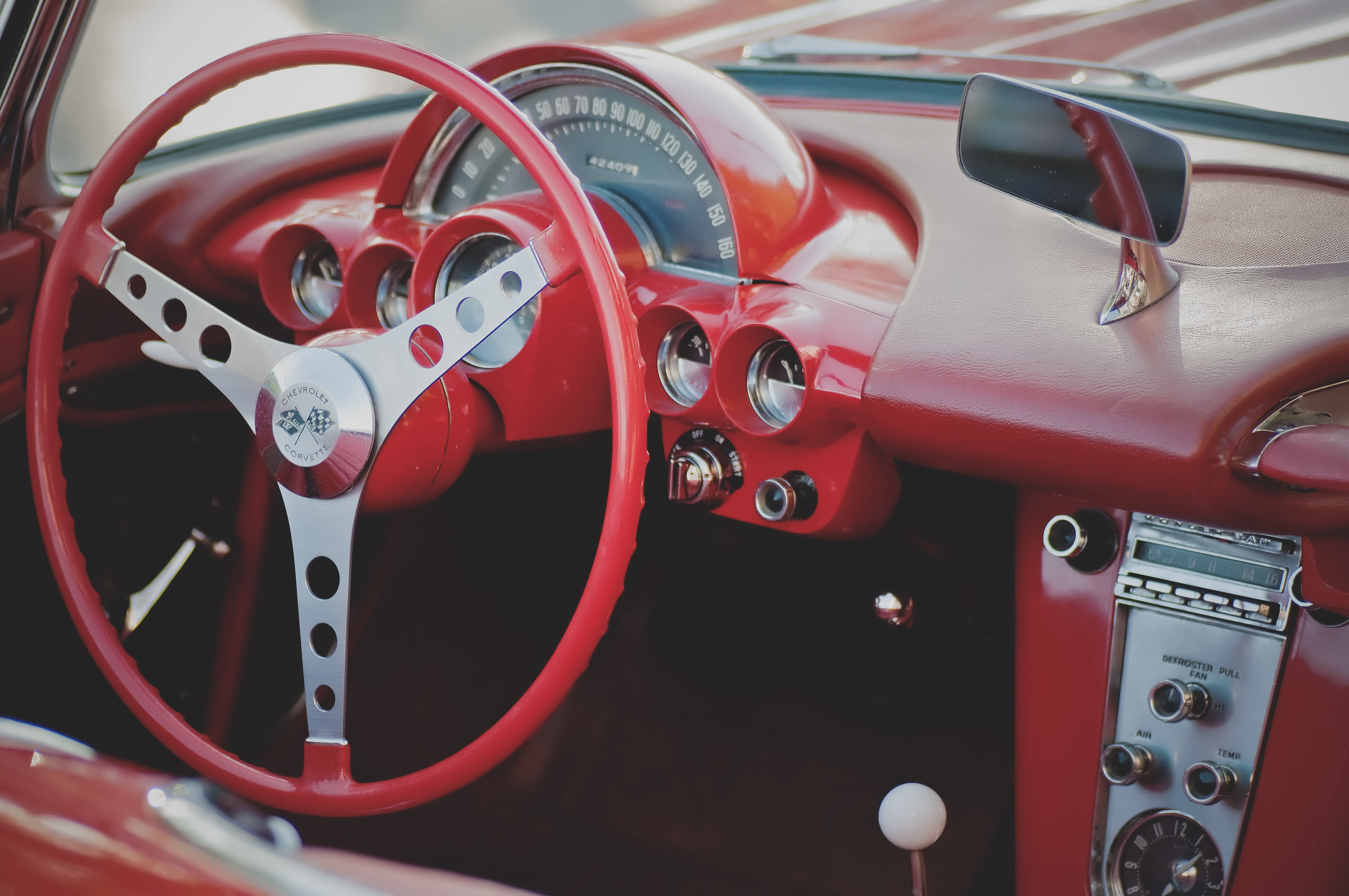
How could we use the nose to attract attention? You could wear a delicious, floral smelling perfume or musky cologne. Or you could fart in an elevator. Both are powerful ways to command attention. Now, I’m not saying to buy a corvette, cry like a baby or pass gas to get attention, but it will work. Which lead us to a more important question, what can you do when you have attention?
This is where things get cloudy. When you have someone’s full attention you are free to influence them any way you please. Sell them on a new product. Manipulate them into a situation. Seduce them from their lover. It is for these reasons, you should control and protect your own attention.
Have you ever heard the phrase “pay attention”? What that means is that for your ability to focus on something, you pay for it by ignoring everything else. It is like a zoomed in picture of a flower, you can see all the detail and its beauty. But everything else is fuzzy and out of focus.
This “Zoom Lens” feature of our brains is a great tool when you are in the pursuit of your dreams. Or realizing a new healthier version of yourself. Maybe you want to reignite a love that had gone cold. On the other hand is can lock us into an 8-hour Netflix binge. It is the reason why we drive staring down at our phones instead of the road. And why we work so much we never see our family.
I know that this speech was just a little longer than eight seconds. I see the goldfish is still paying attention so it couldn’t have been that bad. I hope that you found it interesting and important. We covered a lot, we learned how to love. How to communicate. How to gain attention without embarrassing yourself or buying a new car. But the most important takeaway from this speech is simple: Take control of your attention, or something else will.
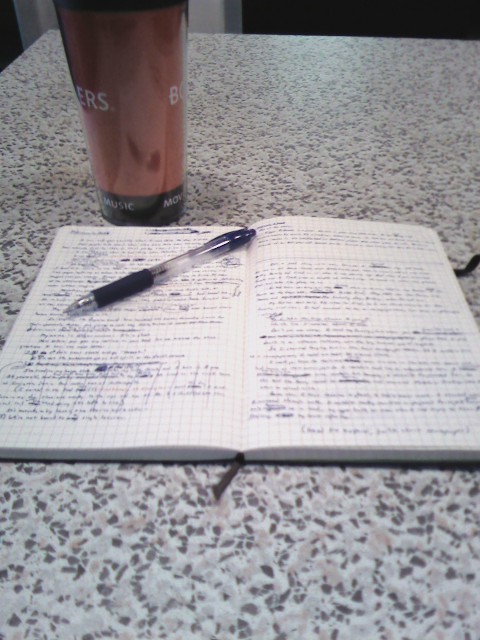
Photo credit: Scott Webb (Unsplash.com, Creative Commons 0>